Elevate Your Dining Space with the Right Table
Choosing a dining table is not just about where you place plates and glasses. It becomes the visual anchor of your home, especially as the evenings get darker, autumn suppers move indoors, and festive season hosting takes over the calendar. The right surface can make your space feel calm, welcoming and quietly luxurious.
For many modern UK homes, ceramic, marble and glass are the three big contenders. Each looks beautiful, but they all behave very differently with hot dishes, red wine, kids doing homework and pets sneaking past with muddy paws. Here we will walk through how each one performs in real life, what care they need and how they shape the style of your room, so you can choose a dining table that fits how you actually live, not just how you want your space to look.
How Ceramic Tables Perform in Real UK Homes
Ceramic tables are becoming the go-to choice for busy, stylish homes. The surface is tough and heat resistant, so it can cope with hot serving dishes straight from the oven, heavy platters and daily family use. Compared with many natural stones, ceramic is less likely to scratch from cutlery sliding across the top or from a laptop being dragged over it during a quick work session at the table.
One of the biggest wins is stain resistance. For autumn and winter, when rich food and deep drinks are the stars of the table, ceramic really shines:
- Red wine, tomato sauce and curry are far less likely to leave marks
- Spills from gravy boats and sticky puddings wipe away with a damp cloth
- You do not need special cleaning products, a mild cleaner usually does the job
- The surface does not need sealing in the way marble often does
For many households, that low maintenance feel is a relief. There is less worry when guests top up glasses or when children decide to get creative with paints and pens.
Style-wise, ceramic tables are very flexible. Modern ceramic tops can mimic marble, natural stone or concrete, often with soft veining or a matte, tactile finish. They pair beautifully with slim metal legs or sculptural bases, which keeps the look light and contemporary, ideal for open-plan spaces and modern new-build homes. You get the luxury look without needing to baby the surface every day.
Marble Dining Tables for Pure Luxury Impact
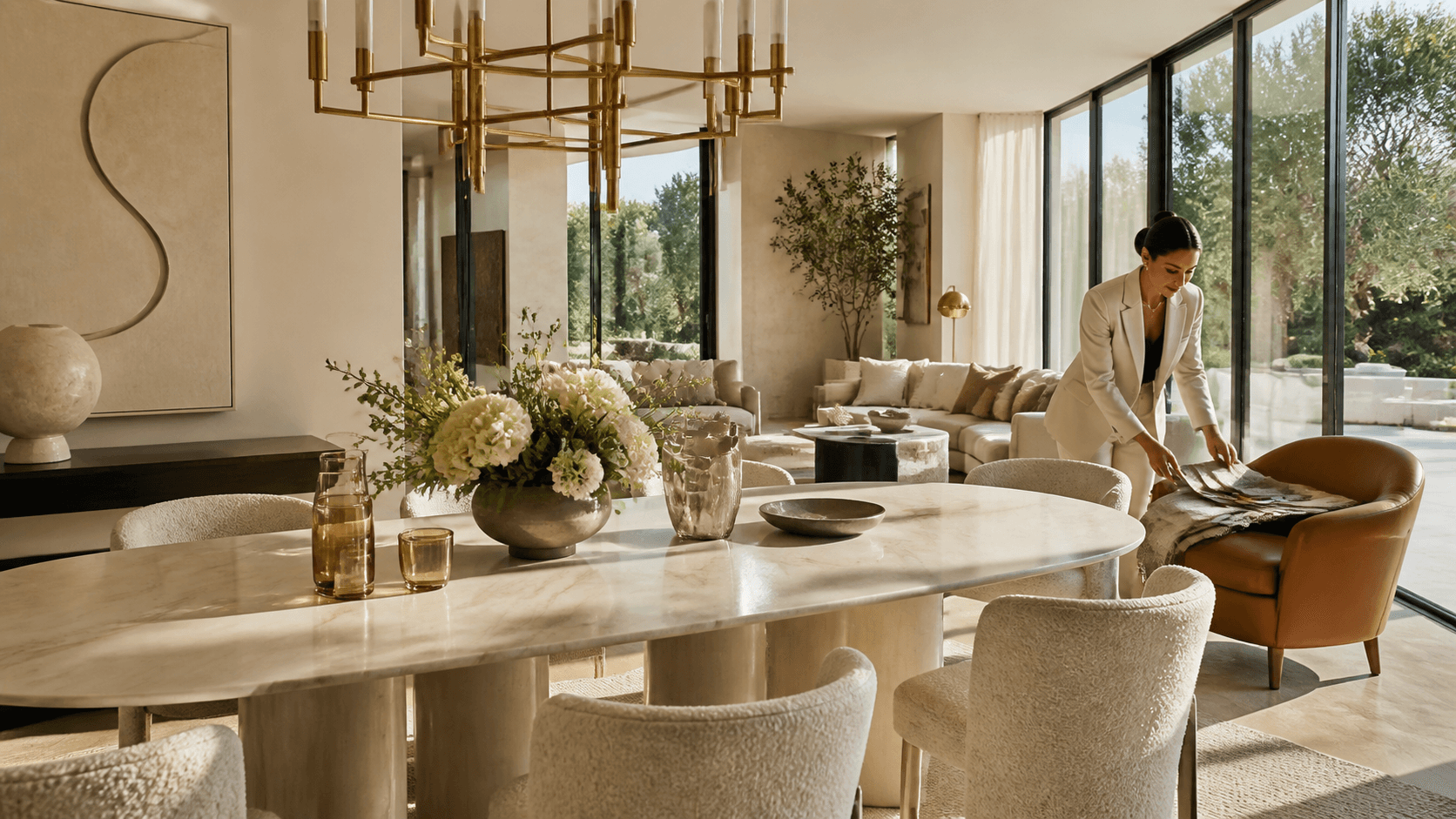
Marble still has a special pull. The natural veining, the soft sheen and the fact that every slab is different give a sense of quiet prestige that suits formal dining rooms or a statement spot in an open-plan living area. When you walk into a room and see a marble table, it instantly feels more high-end.
There are, however, clear trade-offs. Marble is porous, so it can absorb liquids if they are left to sit. Acidic foods and drinks like wine, citrus, vinegar and some soft drinks can cause dull patches called etching. Without regular sealing and careful day-to-day care, marks can build up over time.
If you are thinking about marble, it helps to be honest about how you use your dining space:
- Is the table used for crafts, homework and daily family meals?
- Are there young children who like to bang cutlery and cups around?
- Do you often serve colourful sauces or enjoy long evenings with red wine?
In lighter use homes, or in spaces where you host grown up dinners a few times a month, marble can absolutely be worth it. It suits design led interiors where the table is seen as a centrepiece. To keep things warm for autumn and winter gatherings, pair marble with soft textiles like wool throws on nearby chairs, fabric or velvet dining seats and warm lighting from candles or a dimmed pendant. This stops the stone from feeling cold and gives the room a cosy glow.
Glass Dining Tables for Light, Airy Interiors
Glass dining tables are a strong choice when you want a space to feel bigger and brighter. The clear surface lets light pass through, which can really help in smaller UK dining rooms or city apartments with limited daylight. In the darker months, when natural light is precious, a glass top reflects what light there is and stops the room from feeling heavy.
Most quality glass dining tables use toughened glass, which is designed to be stronger than standard glass. It holds up well to heat from everyday dishes and does not stain from food or drink. That said, you will see fingerprints, smears and dust much more clearly, especially on clear glass, so wipes and a soft cloth become part of your weekly routine.
There are a few care points to keep in mind:
- Use mats or coasters to reduce the risk of fine scratches
- Avoid dragging rough items, like ceramic plates with unglazed bases, across the surface
- Clean with glass cleaner and a microfibre cloth for a streak-free finish
From a style point of view, glass is great for modern looks. Pairing a glass top with chrome or black metal legs creates a sleek, graphic feel. Sculptural bases in wood or metal can turn the table into a design feature in its own right. To soften the look, many people like to add upholstered or boucle dining chairs, which add texture and stop the room feeling too sharp.
Performance and Maintenance Face Off
When we compare ceramic, marble and glass side by side, the differences in day-to-day life become much clearer.
For pure toughness with hot dishes and busy family life, ceramic tables usually come out on top. They handle heat, resist most scratches and shrug off the kind of spills that come with Sunday roasts, curry nights and Christmas lunches. Glass also handles heat fairly well and is easy to wipe, but shows every mark. Marble offers the most classic beauty but needs coasters, mats and more careful handling.
Cleaning needs look roughly like this:
- Ceramic: wipe clean with mild soap and water, no sealing needed
- Glass: regular glass cleaner to tackle fingerprints and smears
- Marble: gentle, pH-neutral cleaner, prompt wiping of spills and periodic sealing
Over time, each material ages in its own way. Marble can develop a patina, with soft marks and wear that some people find charming and others frustrating. Glass may show fine scratches if not protected, especially in the centre where plates are placed. Ceramic tends to stay more stable in appearance, which is why many busy households find it the most forgiving choice.
Finding Your Perfect Dining Table Match
A helpful way to choose is to think about lifestyle first, looks second. If you host often, have young children, pets or a very open-plan space where the table is used all day, ceramic is usually the safest balance of style and ease. If you want a showpiece for gentler use, marble can be stunning. If you crave lightness and a sense of space, glass can transform a room.
Also think about your room itself:
- Smaller, darker rooms tend to suit glass or lighter ceramic finishes
- Larger, bright spaces can handle bold marble or dark ceramic tops
- For big family gatherings, focus on shapes and sizes that allow flexible seating
Seasonal styling can also protect and lift each surface. In autumn, a soft linen runner, woven placemats and a cluster of candles look beautiful on ceramic and marble, while felt or cork placemats work well on glass to stop clatter and add warmth. At Christmas, consider:
- Fabric runners and cloth napkins to soften glass and marble
- Greenery and low centrepieces that do not hide guests across the table
- Coasters under every drink to keep marble safe and glass clear
By matching the material to your daily habits, your space and the way you like to host, you can choose a dining table that feels luxurious, looks beautiful through every season and quietly copes with real life in your home.
Transform Your Dining Space With Bespoke Ceramic Style
Explore our beautifully crafted ceramic tables and find the ideal centrepiece for your home. At Casa-Interiors, we carefully select each piece to combine everyday practicality with distinctive design. If you would like tailored advice on size, finish or styling, simply contact us and we will help you choose with confidence.