Make Your Home Look Collected, Not Chaotic
Mixing contemporary furniture with vintage pieces can make a home feel rich, relaxed and personal. When it is done well, a room looks collected over time, not bought in one afternoon from a single catalogue.
When it goes wrong, everything can feel fussy, mismatched or a bit like a prop store. The good news is that there are simple styling rules for scale, colour and materials that keep things calm and pulled together, even when you are pairing a sleek new sofa with a family heirloom cabinet. We will walk through how to blend older pieces with contemporary furniture, using tricks that work especially well in typical UK homes.
High summer is a perfect moment to do this. Longer days make us notice what feels heavy or cluttered. It is a natural time to edit, refresh corners and get ready for cosy autumn evenings without waiting for a full refurb.
Start with a Clear Style Anchor
Before moving any furniture, decide which direction the room leans. Is it mostly contemporary with a few vintage highlights, or mostly vintage with just a touch of modern? A simple rule that works well is a 70/30 balance.
- For a modern-leaning room, aim for:
- 70% contemporary furniture
- 30% vintage pieces and accessories
- For a vintage-leaning room, flip that mix.
Next, choose one hero item as your anchor. This might be:
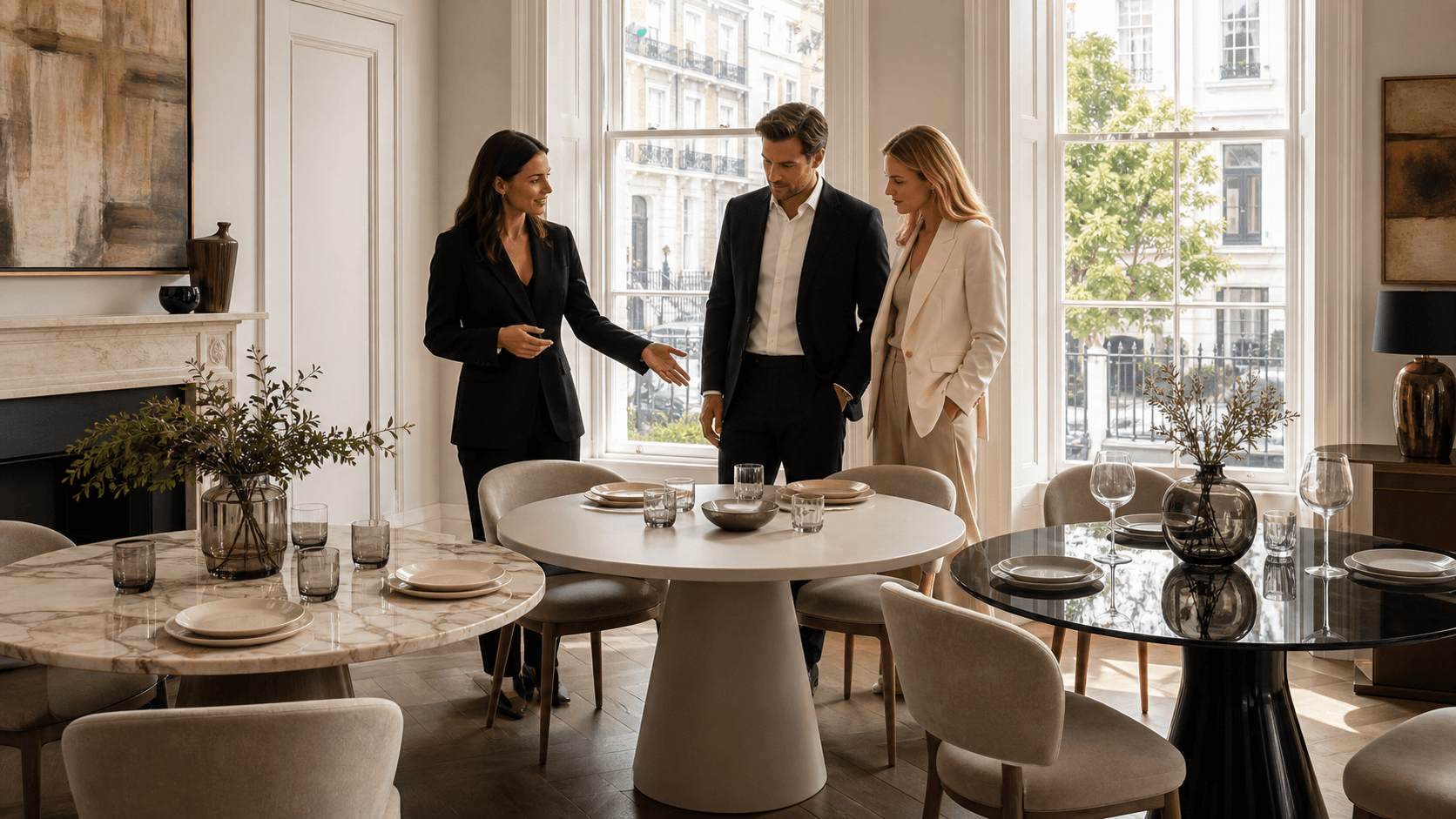
- A modern marble or ceramic dining table
- A clean-lined contemporary sofa
- A beautifully aged vintage sideboard or chest
Build the rest of the room around that anchor. If your hero piece is ornate and vintage, use contemporary furniture with simple shapes and lighter legs to calm the look. If the anchor is a strong, modern item, let smaller vintage pieces add warmth and character.
This is especially helpful in real British layouts, where rooms are often narrow or a bit awkward. A strong anchor gives focus in:
- Bay-window living rooms, where a contemporary sofa can ground the curve
- Long Victorian terraces, where a modern dining table can connect kitchen and sitting zones
- Open-plan kitchen-diners, where a simple, modern sideboard can link cooking, eating and relaxing spaces
Think of your anchor as the steady note in a song. Everything else harmonises with it, not fights it.
Get Proportions Right in Real UK Rooms
Mixing eras is not just about style, it is about size. Scale and visual weight matter as much as colour.
In many Victorian terraces, ceilings are tall but rooms can be narrow. A big vintage wardrobe plus a chunky chest of drawers and a heavy bed frame will feel cramped. Instead, try one bold vintage piece, then add contemporary furniture with slimmer frames and raised legs so you can see more floor.
In 1930s semis, living rooms are often squarer, with a fireplace. A deep, modern sofa might work well here, but balance it with:
- A lighter vintage coffee table
- Slender side tables at arm height
- A low media unit that does not compete with the mantel
New-build flats often have lower ceilings and open-plan layouts. Too many bulky vintage pieces can make these spaces feel short and crowded. Contemporary furniture with simple lines keeps things airy, while a single vintage sideboard or armchair brings character.
Watch the proportions between pieces too. Side tables that are far higher than the sofa arm, or lamps that are tiny next to tall chairs, make the room feel jumpy. Aim for gentle steps in height across:
- Sofa arms, side tables and lamp bases
- Dining tables, dining chairs and nearby consoles
- Bed, bedside tables and bedside lamps
For summer living, think about flow to gardens, patios or balconies. Avoid placing heavy vintage pieces where they block:
- French doors
- Patio doors
- Key light sources
Keep walkways clear so you naturally move from sofa to garden without zigzags around coffee tables.
Blend Colours, Textures and Materials Like a Pro
To stop mixed styles feeling messy, lock in a simple colour palette. Start with calm neutrals like stone, greige or soft white on big surfaces, such as walls and larger rugs. Then repeat two or three accent colours across both your vintage and contemporary furniture.
For example:
- Deep green repeated in a velvet modern sofa, a painted vintage chair and artwork
- Warm rust or terracotta in cushions, a vintage rug and a ceramic lamp base
Materials do a lot of the hard work. Some pairings that work beautifully are:
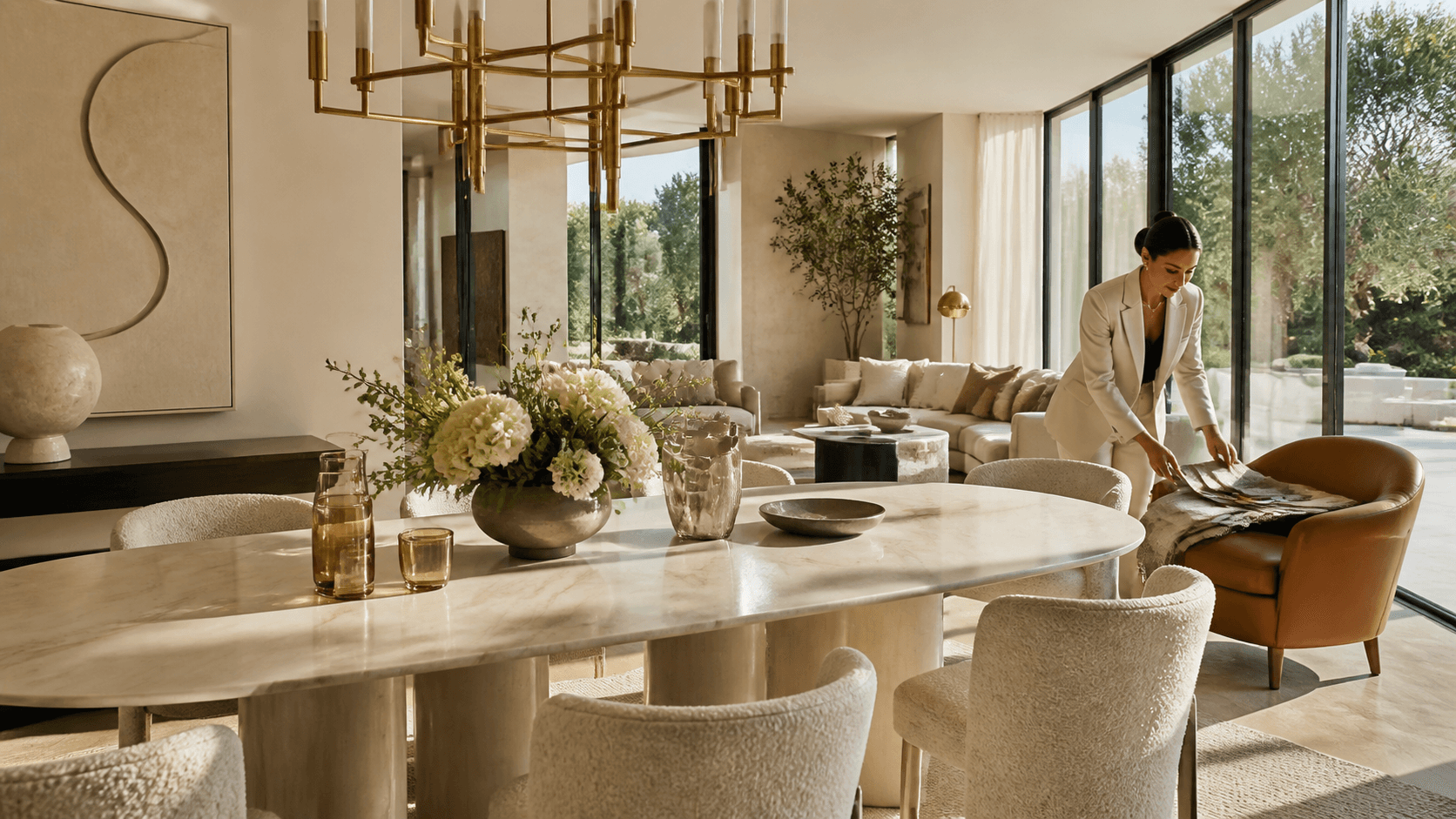
- Marble or ceramic dining tables with warm wood vintage chairs
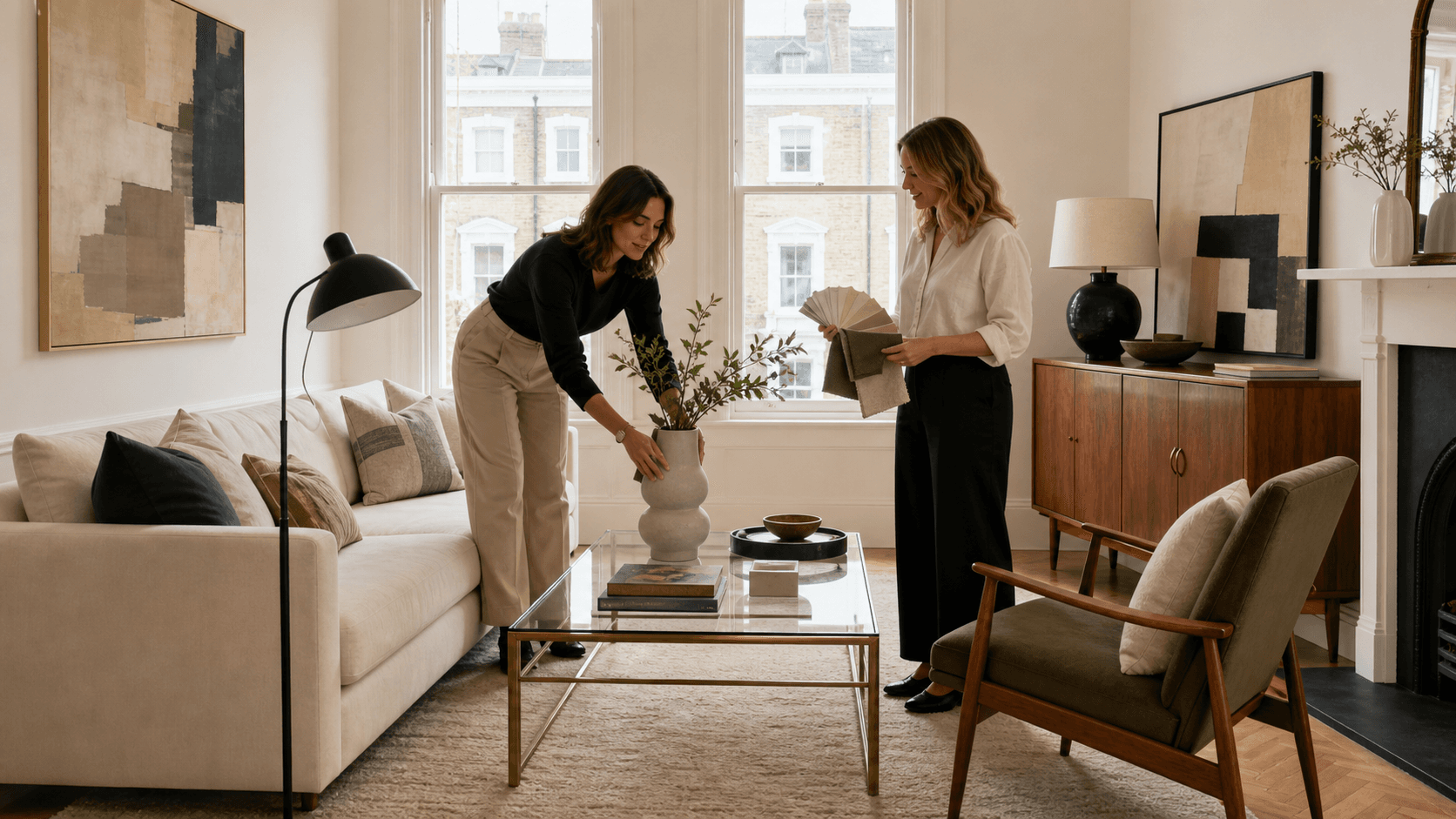
- Sleek metal-legged coffee tables with antique timber chests
- Contemporary sofas in plain linen or velvet with heritage wool or tapestry cushions
British light can be softer in north-facing rooms and quite bright in south-facing ones. Use finish to balance this:
- In north-facing rooms, add some gloss or shine through ceramic lamps, glass vases or polished metal details to catch the light
- In south-facing rooms, mix in matte textures like chalky paint, linen and natural jute so bright light feels gentle, not harsh
Practical touches matter too. In busy family kitchens and dining spaces, hard-wearing tabletops like ceramic, marble effect or solid wood are easier to live with. Near sunny patio doors, look for fade-resilient fabrics and avoid very dark textiles that might show bleaching over time.
Respect Era Details Without Slipping Into Theme
Many UK homes have lovely original details like coving, picture rails, fireplaces or beams. These give your vintage pieces context, but they also look fantastic with contemporary furniture.
A useful guideline is: echo, do not copy. Instead of turning a room into a strict period set, lift small elements and repeat them lightly:
- If your vintage sideboard has curved legs, look for a contemporary armchair with a gentle curve in the arms
- If there is brass hardware on a chest, echo that with brass in a modern floor lamp or mirror frame
- If your beams or floorboards are a warm walnut tone, repeat that warmth in the frame of a contemporary bed or side table
Try to avoid over-theming. A room full of only mid-century shapes, or only industrial pieces, can feel staged. Pick one era to lead, then let others appear in small touches.
A few styling ideas that mix old and new nicely:
- A modern ceramic dining set under an antique chandelier
- A clean-lined media unit sitting beside an original fireplace, with art that bridges both styles
- A sleek, simple bed frame paired with vintage bedside tables and classic lamps
This way, your home respects its bones without feeling like a museum.
Accessorise with Intention, Not Clutter
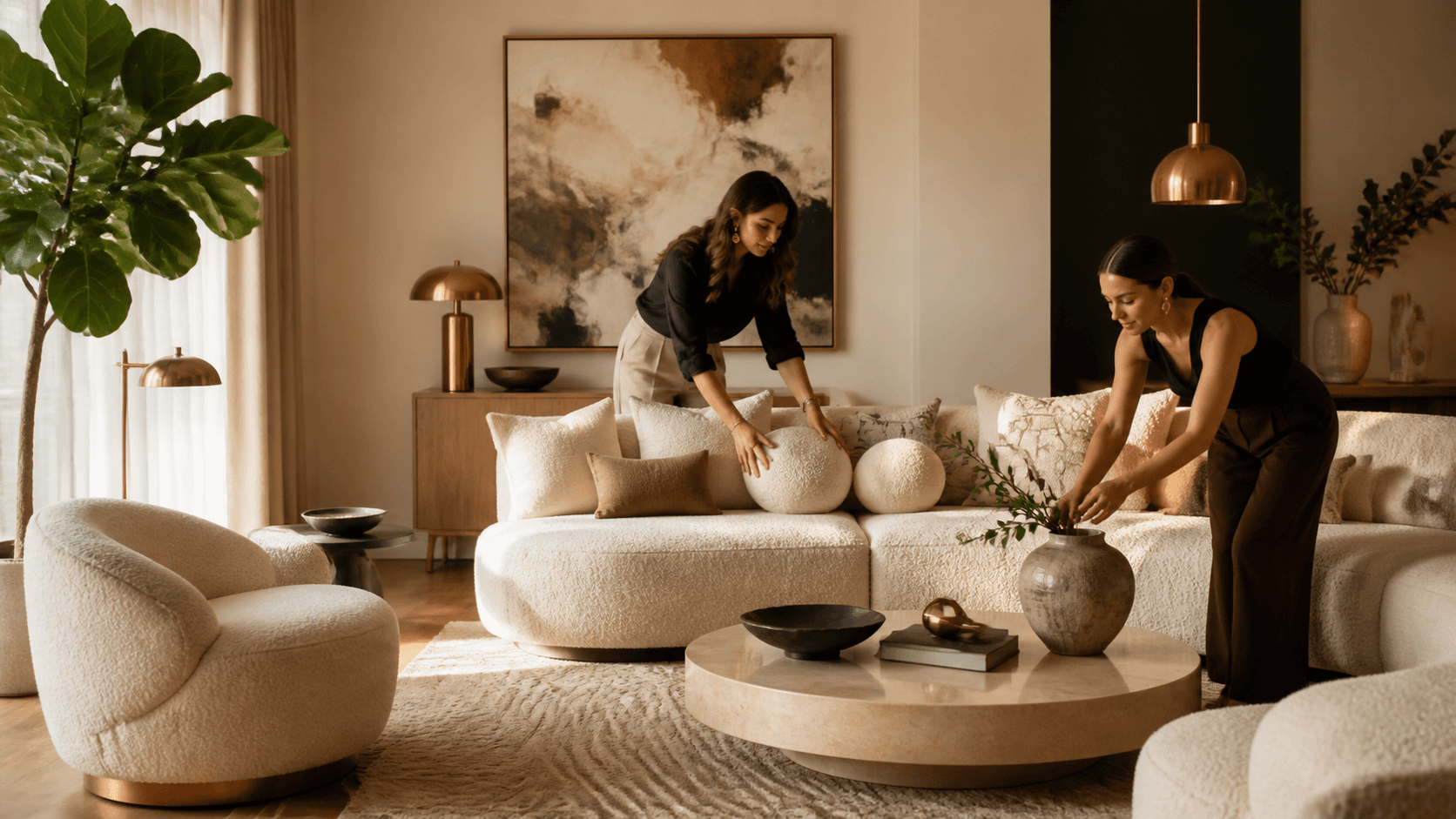
Accessories are where everything starts to knit together. Cushions, rugs, artwork and mirrors can sit halfway between vintage and contemporary, which helps your mix feel deliberate.
When styling mantels, consoles and shelves:
- Vary height so the eye moves gently, not in sharp jumps
- Repeat key materials like marble, brass or black metal in three places around the room
- Group items in odd numbers and leave some empty space so each piece can breathe
For high summer, keep things light:
- Swap heavy wool throws for cotton or linen blankets
- Trade dark, wintery cushions for fresher tones and softer patterns
- Use glass, ceramic and fresh flowers to lift older wood pieces so they feel airy, not stuffy
If a room still feels dated even after editing, a few contemporary accents can make a big difference. Side tables with slim legs, simple benches and statement lamps are useful tools. They bring clarity and freshness to older furniture without needing a full redesign.
Confidently Curate Your Own Modern, Vintage Mix
Bringing contemporary furniture and vintage finds together is about intention, not perfection. Set a clear anchor, watch your proportions, keep to a considered palette and use materials and accessories to connect the dots.
A simple plan that works in most homes is:
- Choose your hero item for each room
- Edit what you already own, removing anything that fights that anchor
- Note the gaps, such as a contemporary coffee table, modern dining chairs or new bedside tables
- Gather a few images or a moodboard before you buy, so you can see how old and new will sit together
Start with high-impact rooms like the living room or dining room, where you spend most time with family and friends. Take it slowly, piece by piece. As a UK-based team, we know that our homes are rarely perfect rectangles, but with thoughtful mixing, even the trickiest bay window or narrow terrace can feel stylish, warm and uniquely yours.
Get Started With Your Project Today
Transform your space with carefully curated pieces from our range of contemporary furniture that balance comfort, style and practicality. At Casa-Interiors, we work with you to create interiors that reflect your taste and fit your everyday life. Explore our collections, then contact us to discuss your project and receive tailored guidance from our team.